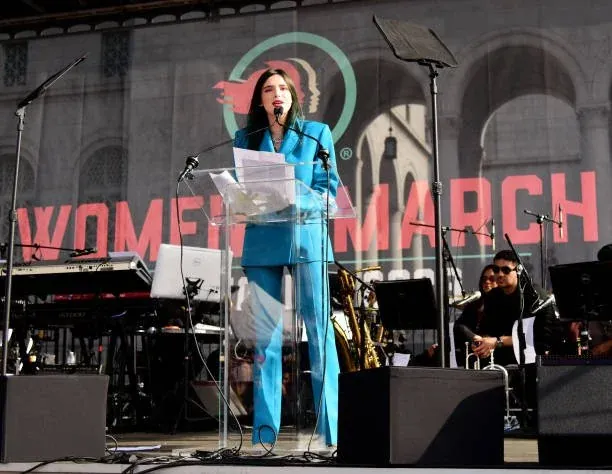

When people hear the phrase civic engagement, they often picture an election, a protest, or a city council meeting. Those are real parts of it. But civic engagement is broader and more human than any single action. It is the practice of taking part in the decisions, relationships, and shared work that shape a community.
That participation looks different depending on your life, your capacity, and the issue in front of you. You might help a neighborhood group get organized, support a mutual-aid effort, volunteer at a school, speak during public comment, or simply learn whose decisions affect your block. The point is not to perform concern. It is to connect concern to a place where it can matter.
What civic engagement means
Civic engagement is how people participate in public life. The federal youth civic engagement resource describes it through activities that improve a community and influence public life, from service and volunteering to voting and advocacy. In plain language, it is showing up for the shared parts of life that no one person can solve alone.
It does not require a title, a large following, or perfect confidence. It begins when someone notices a problem, learns enough to understand it, and chooses a way to take part. That could be a resident learning why a bus route changed. It could be a student helping classmates register to vote. It could be a parent joining a school advisory group because families deserve a say in what happens there.
Civic engagement also has a relationship side. Strong communities are not built only through institutions. They are built when people know one another, share information, make room for different experiences, and keep going after the first burst of energy fades. Emiliana’s story of building gatherings and movements shows why that patient work matters just as much as the public moment.
Why civic engagement matters
Public decisions reach into daily life. They affect schools, parks, transit, housing, health care, safety, libraries, jobs, and who gets heard when priorities are set. People closest to those realities bring knowledge that reports and spreadsheets cannot supply. Participation helps turn that knowledge into a visible part of the conversation.
It also makes democracy more than a date on the calendar. The U.S. government’s local-government guide is a useful reminder that public decisions are made at many levels, often closer to home than people realize. Local boards, school districts, commissions, and community organizations all create openings for people to ask questions and help shape the direction of a place.
None of this guarantees that every person will get the outcome they want. Civic engagement is not a shortcut around disagreement. It is a way to make disagreement more informed, more accountable, and more connected to the people who live with the result. The goal is a stronger habit of participation, not a single heroic act.
Participation also helps people see how change actually happens. A public issue can look simple from far away, then reveal competing needs, limited budgets, legal rules, and histories of trust or harm once people get closer. That complexity is not a reason to step back. It is a reason to listen carefully, ask better questions, and stay connected long enough to understand what a responsible next step could be.
For people who have felt ignored by public systems, civic engagement can carry real risk and frustration. A healthy community does not demand that every person give the same amount or participate in the same way. It creates more than one door in: a meeting at an accessible time, information in the languages people use, a conversation that welcomes new voices, and a clear explanation of what will happen after someone shares their experience.

What civic engagement looks like in real life
The best starting point is often smaller than people expect. Here are a few forms civic engagement can take:
- Learn what is happening nearby. Follow a local news source, school district, neighborhood association, library, or trusted community organization. You cannot respond to every issue, but you can stay close to the ones that affect your life.
- Vote and help others participate. Check registration, deadlines, and voting options through the official voter registration guide. Then consider what would make participation easier for someone else, such as sharing clear information or offering a ride.
- Show up where decisions are discussed. Attend a public meeting, a school board session, a tenant gathering, or an open forum. You do not have to speak the first time. Listening closely is a real form of preparation.
- Volunteer with a group already doing the work. Organizations need more than one kind of help. A short shift, an event check-in, a phone call, a donation of skills, or reliable behind-the-scenes support can move a project forward.
- Build relationships before a crisis. Get to know neighbors, parents, coworkers, students, and local organizers. Trust is easier to build before the stakes are at their highest.
- Use your voice with a clear purpose. Contact an elected representative, submit a comment, tell a story at a meeting, or invite people into a conversation. Specific, respectful communication tends to travel farther than outrage without a next step.
These actions are not equally available to everyone. Time, transportation, work schedules, caregiving, language, disability access, safety, and previous experiences with institutions can all shape who feels welcome to participate. A useful civic practice notices those barriers and looks for ways to make the door wider.
There is no prize for choosing the most visible action. A person who keeps the meeting notes clear, translates a flyer, watches children during a gathering, checks on a neighbor, or makes a newcomer feel expected may be doing the work that allows everyone else to participate. Civic life depends on those steady contributions as much as it depends on a microphone or a headline.
How to choose a meaningful first step
A good first step has three qualities: it is connected to something you genuinely care about, it is close enough for you to learn from, and it is small enough that you can follow through. Starting there keeps participation from becoming a vague promise that disappears when life gets busy.
Look for an issue that touches your everyday world. Maybe your library is changing its hours, a school is revising a policy, a local park needs attention, or an organization is helping new families find support. Read what is already available, then pay attention to whose voices are missing from the conversation. You do not need to become an expert before you arrive. Curiosity and a willingness to learn are a credible place to begin.
Before you volunteer or sign up, ask a few practical questions. What is this group trying to change? Who makes decisions? What kind of help is genuinely useful right now? How are community members invited to shape the work? Clear answers suggest that an opportunity has direction. Vague promises, pressure to commit immediately, or a culture that treats questions as disloyal are signs to slow down and learn more.
It can also help to bring someone with you. Going to a meeting with a friend, coworker, classmate, or neighbor lowers the pressure of walking into an unfamiliar room alone. Afterwards, compare what you heard. What felt clear? What needs more research? What did the people most affected say they need? Civic engagement becomes stronger when people reflect together instead of relying on the loudest voice in the room.
How to start when you feel overwhelmed
Many people care deeply and still do not know where to begin. The news is fast, the problems are large, and it can feel as though a small action will not matter. That feeling is understandable. It is also a reason to choose a starting point that is local, specific, and sustainable.
Start with one question: What is close enough for me to understand and care about? It might be an issue at your child’s school, a community resource, a neighborhood safety concern, reproductive freedom, immigrant support, or a local arts space. Then ask who is already working on it. Joining an existing effort is often more useful than trying to invent one by yourself.
Set a small commitment you can keep. Read one agenda before a meeting. Volunteer once a month. Make one call. Bring one friend. The work becomes more durable when it fits into a real life. A short, reliable action can carry more weight over time than an exhausting burst that leaves you unable to continue.
Give yourself permission to learn in public. You may not know the right acronym, the history of an issue, or the process behind a decision. Ask what a term means. Request context. Take notes. Most people who do meaningful civic work had to learn those things from someone else. Confidence often comes after participation, not before it.
It is also wise to protect your energy. Choose a pace that leaves room for work, family, rest, and joy. People are more likely to stay involved when community work is connected to relationships and purpose instead of constant urgency. Sustainable participation is not passive. It is a way of making sure you can still show up when the next important moment arrives.

From participation to collective action
Individual participation matters, but civic engagement becomes more powerful when people can act together. Shared work turns isolated frustration into relationships, information, and a clearer sense of what is possible. It is how a concern becomes a campaign, a conversation becomes a program, or an event becomes a reason to stay involved.
That is where leadership becomes less about being the loudest person in the room and more about making room for others. Emiliana’s speaking work centers on the patience, courage, and coalition-building it takes to move from a moment to a movement. For campus communities, the same questions carry into student life, leadership programs, and civic conversations, which is why her college speaking programs are built around participation and community.
Collective action is not always dramatic. Sometimes it is a group of people agreeing to come back next week with better information. Sometimes it is a coalition learning how to hold disagreement without losing sight of the people affected. The work gets stronger when it values both urgency and endurance.
That kind of work asks for habits that are easy to name and hard to practice: share credit, make space for quieter voices, be honest about what you do not know, and repair harm when it happens. It also means being specific. Instead of saying a community needs to “get involved,” identify the decision, the people affected, the action available, and the support someone may need to take part. Clarity turns goodwill into a real invitation.
When a group wins something, pause to notice what made the progress possible. It may have been research, persistence, public testimony, creative storytelling, trusted relationships, or a person who kept everyone connected. That reflection helps a community carry its learning into the next challenge instead of starting from zero every time.
Keep the next step realistic
Civic engagement is not a test of who cares the most. It is a practice of turning care into participation, then participation into relationships that can last. Choose a place to start. Learn the landscape. Find people who are already doing useful work. Keep one promise to show up again.
If you are bringing a group together around leadership, participation, or the work of building community, Emiliana can help create a conversation with real weight and a clear way forward. Invite Emiliana to your gathering to start with the room in front of you.
Frequently asked questions
A few practical answers.
What is civic engagement in simple terms?
Civic engagement is the way people take part in the life of their community. It can include voting, volunteering, attending a public meeting, joining a local group, helping a neighbor organize, or speaking up about an issue that affects everyday life.
Is voting the only form of civic engagement?
No. Voting is an important part of civic life, but it is only one part. Civic engagement can also mean learning about a local issue, supporting a community organization, contacting an elected representative, serving on a committee, or helping create a space where neighbors can be heard.
How can I be civically engaged if I do not have much time?
Start with one small, repeatable action. Subscribe to a local newsletter, attend one meeting, volunteer for a short shift, make one call, or check in with a group already working on an issue you care about. Consistency matters more than trying to do everything at once.
Why does civic engagement matter?
Public decisions are stronger when the people affected by them have a real way to participate. Civic engagement helps residents share local knowledge, build relationships, and turn concern into action that is grounded in what a community actually needs.