

Civic engagement does not begin only when an election is near or when a public issue reaches the news. It begins whenever people decide that the shared parts of life deserve their attention: a school, a library, a neighborhood, a workplace, a park, a local organization, or a question that affects the people around them.
The best civic engagement activities are not always the biggest or most visible. They are the actions that help people understand what is happening, build trust with one another, and take a next step that fits their real life. Whether you have an hour this month or a larger role to play, there is a useful way to participate.
The federal guide to civic engagement and volunteering includes service, advocacy, voting, and community participation. That breadth matters. Civic life is not one performance. It is a set of habits that help a community listen, decide, and act together.
How to choose a civic engagement activity
Start by choosing a question, a place, or a group that already matters to you. Trying to keep up with every issue at once is a fast way to feel disconnected. Instead, ask what you want to understand better, whose work you respect, or where you could return often enough to build a relationship.
Then choose an action that fits your capacity. A parent may have time for a school meeting. A student may be able to help with an event. A neighbor may be ready to share local information with a few people they know. Small contributions count when they are reliable and connected to what a group actually needs.
1. Learn how decisions are made where you live
Pick one local decision that affects daily life, then find out who is responsible for it. It could be a school district, city department, transit agency, library board, county office, tenant association, or neighborhood council. The U.S. guide to local government is a useful starting point when you are not sure where to look.
Read an agenda, follow a public calendar, or ask a local organization which meetings matter. You do not have to understand every policy detail on day one. Learning the names, roles, and timelines behind a decision makes it easier to know where your voice can be useful later.
2. Attend a meeting and listen closely
Go to one school board meeting, neighborhood gathering, public forum, or local organization event with no pressure to speak. Notice what people care about, what information is missing, and how the group makes decisions. Listening is not a passive first step. It is how you learn the history of a place before asking to shape its future.
Bring a notebook and write down one question to follow up on. Afterward, look for the next meeting date or a person who can explain how a newcomer can stay informed. The guide to getting involved in your community can help you turn that first visit into a pace you can sustain.
3. Volunteer for a specific need
Volunteering is most helpful when it answers a real need instead of asking an organization to create a role for you. Offer a concrete skill, a short shift, help at an event, a ride, translation, child care, a design task, or behind-the-scenes support. The national Volunteer.gov directory can help you find opportunities, but a nearby group may have the clearest answer about what would help right now.
Before committing, ask how much time the role actually takes and who will guide you. A defined, realistic contribution is better than a broad promise you cannot keep. Consistency is what turns a one-time good intention into support a group can count on.
4. Help people get trustworthy information
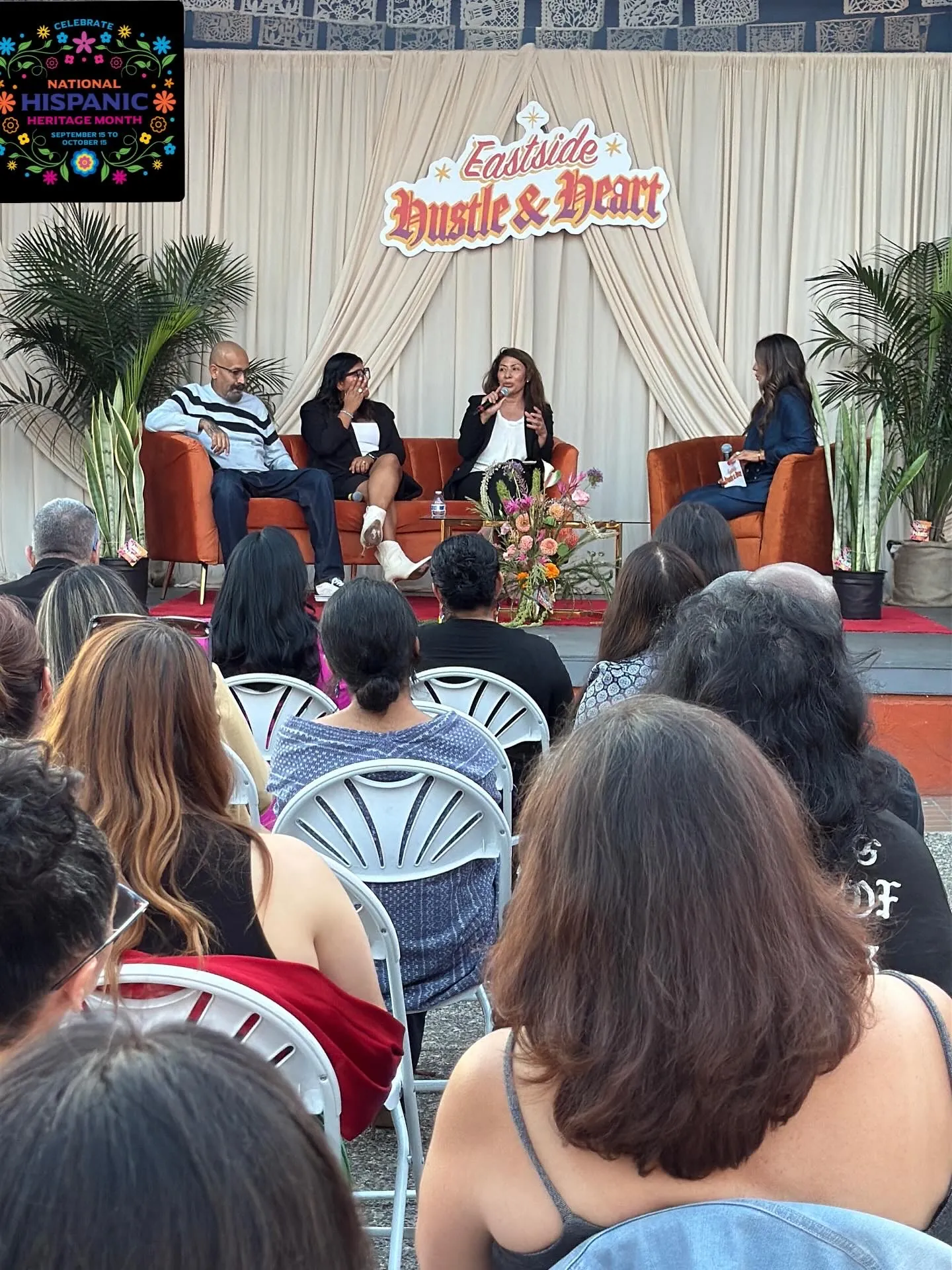
Many people want to participate but do not know where to begin. Share a meeting date, a local resource, a clear explanation of a decision, or a reliable way to register, volunteer, or ask a question. Keep the information practical and check it before passing it along.
This can be especially useful when public systems feel hard to navigate. A short, accurate message in the language people use can lower a real barrier. You do not need to be the expert. You can help someone find the source, understand the next date, or know who to contact.
5. Invite one person into the room
Community participation is easier when people do not have to enter an unfamiliar room alone. Invite a friend, colleague, classmate, neighbor, or family member to a meeting or volunteer shift. Explain what the event is for, how long it will last, and whether they can simply listen.
A good invitation is specific and low pressure. It does not assume everyone has the same time, safety, transportation, or history with institutions. It gives people a clear choice and lets them know their perspective could be useful.
6. Support a community story
Public decisions are stronger when people closest to an issue can describe what it means in daily life. You can support that by helping a neighbor prepare a question, taking notes at a listening session, connecting someone to an organization, or making sure a story reaches the right decision-maker.
Do not speak over people who are directly affected. Ask what kind of support would be helpful and follow their lead. Sometimes the most useful role is making space, sharing a contact, or helping someone feel prepared enough to speak for themselves.

7. Take part in an existing group before starting a new one
When an issue matters to you, there is often a group already carrying knowledge, relationships, and hard-earned lessons. Joining an existing effort can teach you what has been tried, who needs to be at the table, and where your energy can help most.
Look for a clear purpose, honest communication, and meaningful roles for people affected by the issue. You can attend, ask questions, and observe before making a larger commitment. Civic participation grows stronger when it respects the work that came before.
8. Make a gathering easier to join
Not everyone can participate in the same way. A gathering may be technically open and still be difficult to attend because of timing, transportation, child care, language, cost, mobility, or uncertainty about what will happen. Offer help where you can, and let people know about it early.
That might mean greeting newcomers, arranging chairs, checking on interpretation, sharing arrival details, setting up a virtual option, or helping someone get home. These practical details are civic engagement, too. They make it possible for more people to be part of the conversation.
9. Write to a decision-maker with a clear request
A thoughtful message can be more useful than a long list of complaints. Name the issue, explain how it affects people, and ask for one specific action, answer, or meeting. Keep your message respectful and tied to a real decision that person or office can influence.
If you are new to public comment or advocacy, begin by reading what others have already shared. You will learn the language of the issue and see where a personal experience adds something important. Civic engagement is not about having the loudest voice. It is about making a useful contribution to a real conversation.

10. Organize a small conversation
You do not need a large event to bring people together. A conversation in a library room, a classroom, a community center, or someone's home can help people learn what others are seeing and decide what a next step could be. Keep the purpose clear, invite people closest to the question, and leave room for listening.
For a more detailed structure, use the guide to organizing a community gathering. It covers the practical choices that help people feel expected, heard, and connected to a next step.
11. Bring a useful skill to the work
Your everyday skills may be more useful than you think. Someone may need help welcoming guests, organizing information, making a flyer, taking photos, handling food, preparing a room, sharing a story, building a simple sign-up list, or following up after an event.
Ask a group what would save them time or make participation easier. The goal is not to arrive as the person with every answer. It is to offer something concrete, learn how the group works, and become a reliable part of the effort.
12. Choose one action you can repeat
The most durable civic engagement activity is the one you can return to. Put the next meeting on your calendar. Volunteer once a month. Read one agenda before it happens. Check in with a neighbor. Make one call. Invite one new person. Repetition is how participation becomes a relationship rather than a passing reaction.
Protect your energy as you do this. You are allowed to rest, change roles, and say no to a request that does not fit. Communities need many people making sustainable contributions, not a few people trying to carry every issue by themselves.
Build a habit of listening and follow-through
Civic engagement becomes more meaningful when people can see that their time and perspective matter after the meeting ends. If you help convene a conversation, send a short follow-up that explains what was heard, what will happen next, and what remains unresolved. If you attend someone else's event, follow through on the next step you chose instead of waiting for the perfect moment to do more.
Listening also means being honest about what you do not know. Ask questions before repeating information. Notice whose experience is shaping the plan and whose voice may still be missing. A group does not need immediate agreement to make progress, but it does need a way to hold disagreement with respect and return to the work.
Small follow-through builds trust. When you thank a volunteer, share a useful update, make an introduction, or return to a conversation when you said you would, people learn that participation is more than a one-time request. It is a relationship. That is what helps a community keep going when the issue is complicated and the work takes longer than anyone hoped.
Turn concern into a next step
There is no single right way to participate in public life. What matters is finding a real point of connection, listening long enough to understand it, and choosing one way to help that you can sustain. A meeting, a volunteer shift, a careful invitation, or a clear question can all become part of a larger practice of showing up.
Emiliana's speaking programs bring that practice into conversations about leadership, belonging, equity, and the work of building a movement that lasts. For campus audiences, her college speaking programs help students connect their values to the communities and choices in front of them. For organizers convening a room around social impact, her social justice speaking page offers a focused place to begin.
Start with the place in front of you. Learn what people need. Then take one action that helps another person feel more able to participate.
Frequently asked questions
A few practical answers.
What are civic engagement activities?
Civic engagement activities are ways people take part in the shared life of their community. They can include learning about an issue, volunteering, voting, attending a public meeting, joining a neighborhood group, helping organize a gathering, or supporting someone else who wants to participate.
What is a simple civic engagement activity to start with?
Choose one small action that is easy to repeat. You might follow a local organization, attend one meeting, volunteer for a short shift, read a city or school agenda, or invite a neighbor to a community event. A small action becomes meaningful when you return to it with care.
Do civic engagement activities have to be political?
No. Civic life includes more than elections and public policy. Helping neighbors connect, supporting a local organization, showing up for a school or library, making a community event welcoming, and sharing useful information can all strengthen the relationships that make public participation possible.
How can I stay involved without burning out?
Be realistic about your time and energy. Pick a role that fits your life, share responsibility with others, and choose a pace you can sustain. Civic participation needs people who can keep showing up, not people who feel pressured to carry every issue alone.